
Feeling inspired - DecodeME study results are out!
New study proves there's a genetic component to ME/CFS.

I’m a few days behind on this one, so you all may have already heard…
The huge DecodeME study just released its results, based on a genetic analysis from 15,579 DNA samples.
The results show clear genetic trends in who develops ME/CFS, vs. who doesn't.
According to the DecodeME website:
“Eight genetic signals have been identified. As DNA doesn’t change with ME/CFS onset, these findings reflect causes rather than effects of ME/CFS.”
Specifically, they found associations around 8 genetic loci.
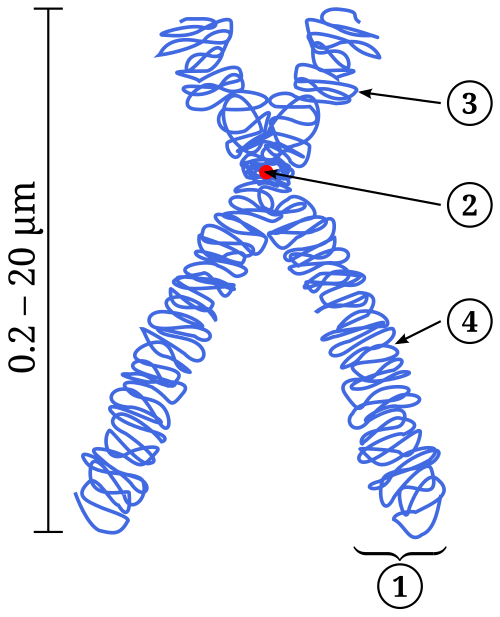
A genetic locus (that’s the single term - loci is the term for plural)- reflects where in a chromosome a specific gene is found.
According to Dr. Ellen Sidransky of genome.com, “If you consider the entire chromosome as a country where the gene is found, and then a region of the chromosome would be the city. The more specific area, or the locus, is this particular neighborhood where the gene is found.”
So the DecodeME study located 8 specific places within the chromosome where patients with ME/CFS differ from the rest of the population (although the findings have not yet been narrowed down to individual genes themselves - further research is needed).
Immune Response
Specifically, the researchers found loci near three genes “that act in the response to viral or bacterial infection.”
One of the loci is near the gene BTN2A2, which a previous study showed could influence the function of T cells - based on my read, it seems to inhibit them.
It’s really too soon to say for sure, but just off the top of my head, if ME/CFS patients have a genetic signature that affects T-cell response following an infection, in a way that makes them less active, that could dramatically increase the chances that they end up with some kind of chronic pathogen causing their symptoms - because they couldn’t fully fight it off.
(Note: this idea is completely conjecture - I just find it interesting to consider all the possibilities!).
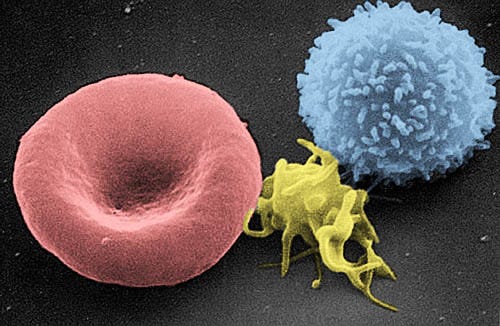

Post-Exertional Malaise
“Four of the eight loci… were associated at p < 0.05 with cases ascertained using post-exertional malaise and fatigue in the UK Biobank and the Netherlands Biobank Lifelines.”
Gender
As study author Dr. Chris Ponting explains in this great interview with David Tuller, ME/CFS is known to be a female-predominant disease (although men certainly do develop it as well).
Interestingly, the study didn’t find significant differences between men and women, in terms of who was most likely to carry these genetic differences. This means there are more factors to uncover, in terms of why individuals with these certain genetic traits are likely to develop MECFS.
It may turn out that there are additional factors, such as the role of sex hormones, that further influence how peoples’ genes interact with various pathogens and the environment.
NO Correlation with Depression or Anxiety
This is a really big one: the authors write, “We found no evidence that the eight ME/CFS genetic signals share common causal genetic variants with depression or anxiety.”
These findings have huge implications for finally shifting the narrative and putting an end to the gaslighting and psychological abuse faced by these patients.
ME/CFS patients have been accused of faking it, thrown into water to force them to swim, and parents have been accused of mistreating their children with ME/CFS.
To have finally have clear proof that this disease is biological in nature - as patients have been insisting for decades- is truly groundbreaking.
The authors write,
DecodeME's results, grounded in the principles of statistical genetics, now place ME/CFS research on a firm biological foundation: they begin to explain the disease’s heritable 20 component (12,13), they improve the likelihood of finding effective drugs for ME/CFS (68), and they place this long-neglected disease on more equal terms with other common genetic conditions (69). DecodeME further provides a much-needed managed resource of genotype and phenotype data. It also offers researchers a pool of thousands of DecodeME participants who consented to be recontacted to take part in future epidemiological, genetic, and biomolecular studies, including clinical trials for diagnostics and therapeutics.
Wow.
This tweet from ME/CFS + LC researcher Daniel Missailidis, PhD made me feel so hopeful:
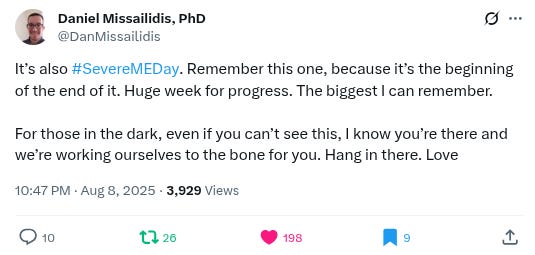
Beginning of the end. So incredible.
*****
Resources:
DecodeME blog post explaining their methodology to a lay audience
Dr. Ponting interview with The Sunday Times
David Tuller Interview with Dr. Ponting
*****
Note: Why am I writing about ME/CFS on a Long COVID blog?
For those who are new to learning about these conditions, ME/CFS (myalgic encephalomyelitis/chronic fatigue syndrome) is a disease which seems to overlap with certain symptom subsets/phenotypes of Long COVID - particularly the hallmark symptom of post-exertional malaise. Like Long COVID, many people with ME/CFS report their symptoms beginning after an infection.
There’s a range of opinions in the community about whether these conditions are the same disease - many people believe that Long COVID is a form of ME/CFS.
My personal opinion is that regardless of how we categorize them, the two conditions are clearly similar enough that we need to be looking at both very carefully, in order to understand either of them. I also believe Long COVID likely has genetic roots, although they may be slightly different than those involved in ME/CFS.
Lots to unpack here - stay tuned!